
Guidance
Access
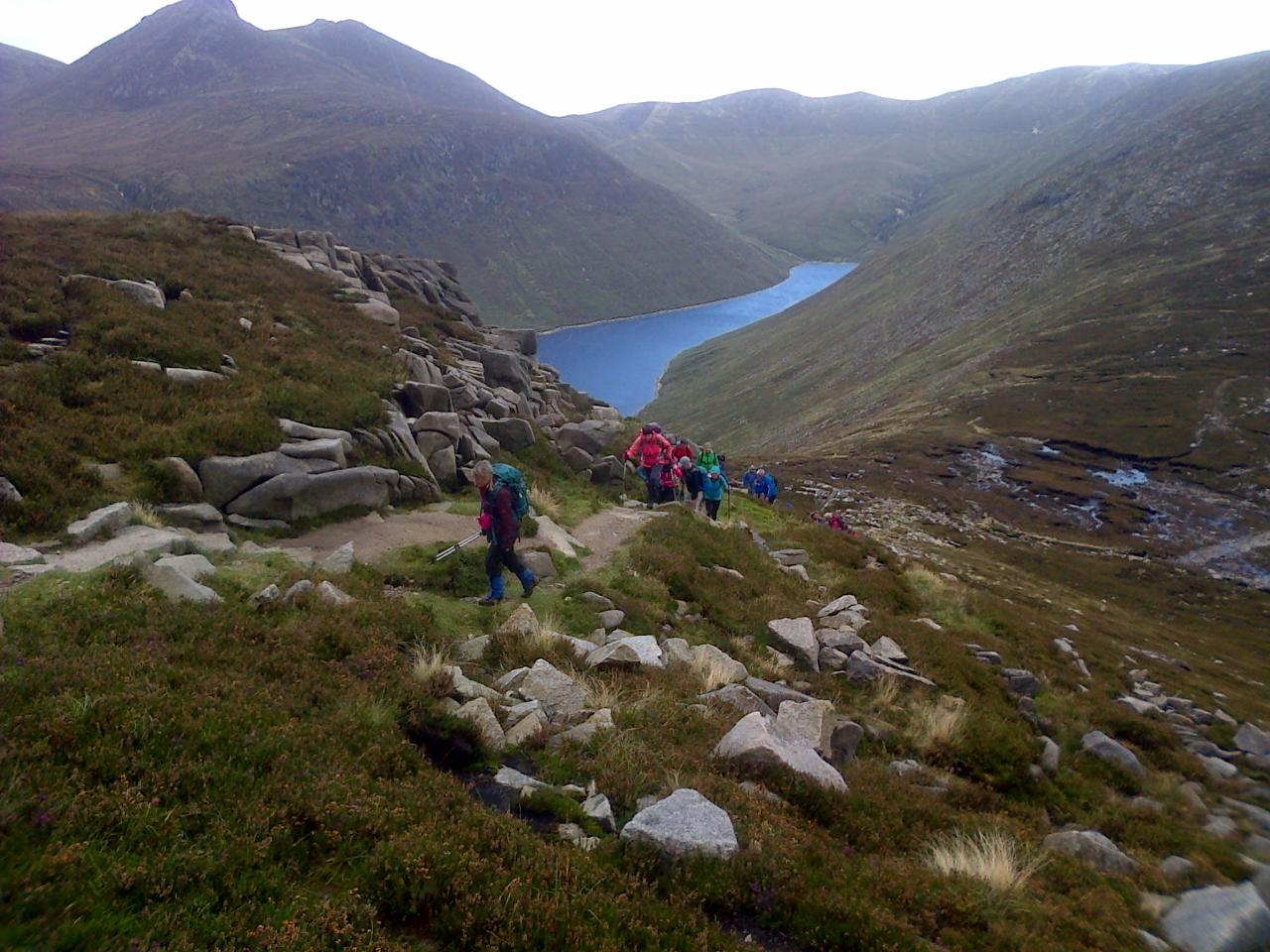
The 11 district councils have powers and duties to enable access for outdoor recreation provided by the Access to the Countryside (Northern Ireland) Order 1983. The councils must assert any route that they determine is a public right of way. They can enter into agreements for public path creation. Waymarked ways also fall under the councils’ remit.
The councils’ also have a duty to keep maps of public rights of way within their jurisdiction. There are also discretionary powers to maintain pathways, erect signage, stiles and gates.
There is no right to roam on the island of Ireland.
For advice on where is open and accessible WalkNI.com includes a range of walks. Additionally, its sister site OutmoreNI.com includes other locations and parks.
If you are out walking and encounter any changes to the route or any issues, then please report this. WalkNI.com has a report a problem feature. However, if you report to the Federation, we can forward this matter on your behalf. By reporting it gives the relevant council/ government department time to act. In the Republic of Ireland, the organisation which oversees this is Keep Ireland Open. Any issues on the island of Ireland can be reported using the email link below.
Access Issue
Leave No Trace
Take only memories, leave only footprints!
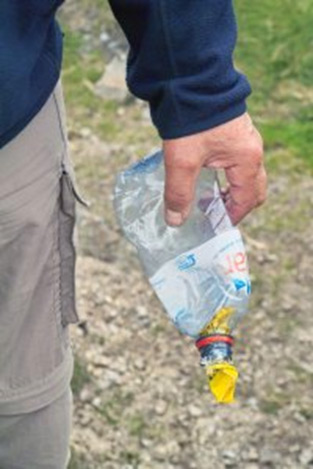
Unbelievably, some people throw down their empty plastic water bottles on the hills. Packed lunch litter is left at natural stop or shelter spots, and/or wrappers and cans are stuffed into cracks in rocks and stone walls. But Leave no trace is about more than litter!
The 7 Principles are:
- Plan Ahead and Prepare
- Be Considerate of Others
- Respect Farm Animals and Wildlife
- Travel and Camp on Durable Ground
- Leave What You Find
- Dispose of Waste Properly
- Minimise the Effects of Fire
You might think even your biodegradable waste is fine to leave but here is the truth:
- A paper towel takes 2-4 weeks to decompose
- An apple core takes 2 months to decompose
- Orange peel – 6 months to decompose
- Banana skin – 1-2 years to decompose
- Aluminium can – 50 to 100 years to decompose
- Polystyrene and plastics packaging – 400 years to decompose
- Plastic Water Bottles are estimated to require 450 years to decompose
… and that’s only if you bury it!
Be responsible and improve the situation by:
- Embracing an active ‘Leave No Trace’ policy.
- Pre-plan an identified ‘Banana Skin bag carrier’ for each walk in your calendar.
- Educate your group, when packing their Rucksack; to remove their paper and plastic shop wrapping from their sandwiches and snacks and replace with reusable packaging.
- Always bring a rubbish bag with you so that you can clean up after your snacks and lunch break. If you forget your rubbish bag, carry any leftover waste/wrappers into your rucksack and dispose of them either at home or when you come across a bin.
- Use your rubbish bag to lift ‘others discarded rubbish’ as you come across it. Help clean the hills as you walk.
- Adopt a no tolerance policy to members discarding food waste, even if it is biodegradable.
- Follow the example of the UFRC Clubs who undertake regular litter-collection walks included in their annual walking calendar.
- Campfires are discouraged. A cooking stove is more efficient and welcomed. In places where campfires are permitted, make sure your fire is small and safely contained, while ensuring the fire is completely extinguished when you leave it. Return the fire site to its original condition.
Practising a “Leave No trace” ethic is very simple:
“Make it hard for others to see or hear you and LEAVE NO TRACE of your visit”.